A Beacon of Faith: The Bacolod Philippines Temple of The Church of Jesus Christ of Latter-day Saints
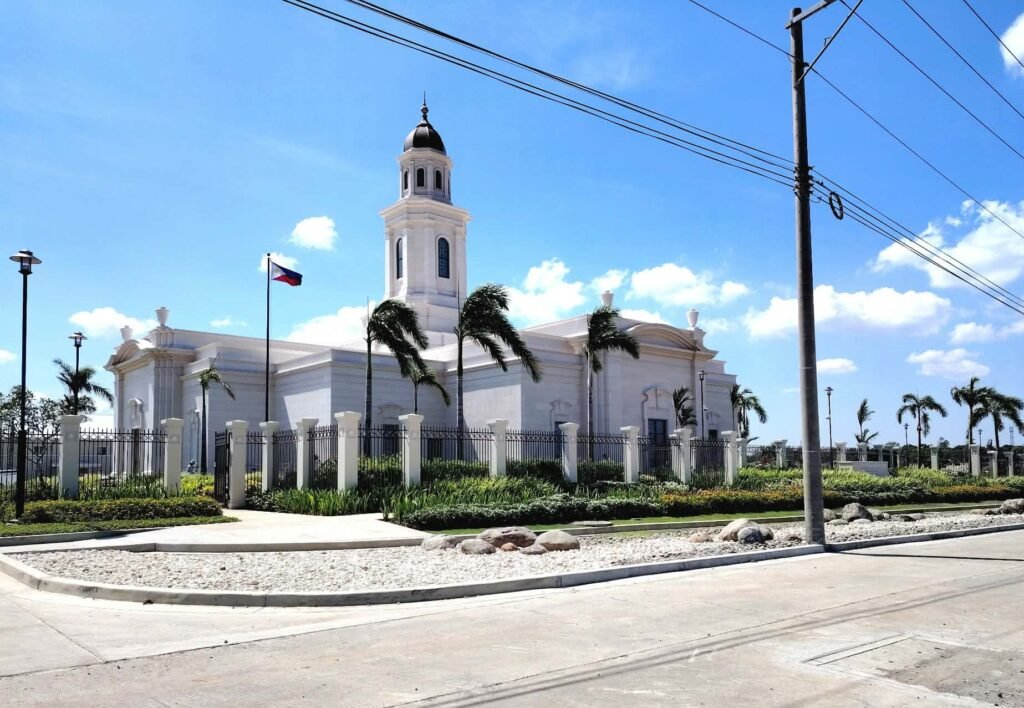
Rising gracefully in the heart of Negros Occidental, the Bacolod Philippines Temple stands as a powerful symbol of faith, devotion, and spiritual growth. For members of The Church of Jesus Christ of Latter-day Saints, temples are more than just places of worship—they are sacred spaces where heaven and earth feel closer together.

A Promised House of the Lord
The announcement of the Bacolod, Philippines temple was in the year 2020.
It reflected the steady growth of the Church in the Philippines and the increasing need for accessible temples for members across Negros Island and nearby regions.
For years, many faithful members traveled long distances—often to the Cebu City Philippines Temple—to participate in sacred ordinances. The Bacolod temple brings these blessings closer to home, strengthening both individual faith and family unity.

From Vision to Reality
The temple’s groundbreaking ceremony took place on December 11, 2021, led by Church leaders and attended by members filled with hope and anticipation. Since then, construction has steadily progressed, transforming vision into a physical and spiritual landmark.
Situated on a spacious site along Bacolod Airport Access Road, the temple complex includes not only the main structure but also supporting facilities for visitors and members. The building itself features a single central tower and a design consistent with modern temples in the Philippines—simple, elegant, and reverent.

A Sacred Purpose
Unlike regular chapels where Sunday services are held, temples serve a unique and sacred purpose. Within their walls, members participate in ordinances such as eternal marriage, baptisms for ancestors, and other ceremonies that emphasize eternal families and spiritual progression.
To Latter-day Saints, temples are considered “houses of the Lord,” places of peace where individuals seek guidance, make covenants, and deepen their relationship with God.
Opening Its Doors
Last Monday, April 13, 2026, the Bacolod media had the privilege to tour around the church and we were in awe of how majestic the temple is. We were welcomed by Church leaders Elder K. Brett Natress, Elder Chi Hong (Sam) Wong amd Dr. Alma Vida Villanueva Tan, who shared their thoughts and information about the temple.
Before its official dedication, the Bacolod Philippines Temple will welcome the public during an open house from April 16 to May 2, 2026. This rare opportunity allows visitors of all backgrounds to step inside, learn about its purpose, and appreciate its sacred design.
Following the open house, the temple is scheduled to be dedicated on May 31, 2026, after which access will be reserved for Church members who meet specific requirements for temple worship.
A Symbol for the Community
Beyond its religious significance, the Bacolod temple represents hope, unity, and the enduring faith of thousands of members in the region. It stands not only as a place of worship but also as a reminder of the values of family, service, and spiritual commitment.
For the people of Bacolod and nearby provinces, this temple is more than a building—it is a promise fulfilled and a beacon guiding future generations toward faith and purpose.

The Temple’s Sacred Beauty
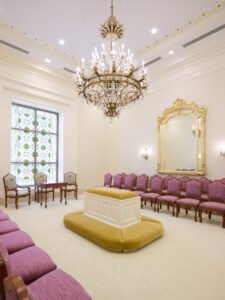
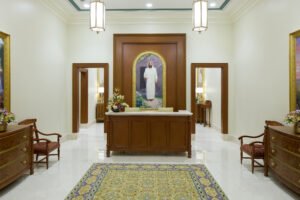
The temple is located at Lot 1 Bacolod-Silay Access Road, Barangay Bata, Bacolod City, Negros Occidental and features design elements that reflect the beauty and cultural heritage of the Philippines. The design patterns and motifs of the Temple are based on traditional clothing patterns, especially those found on Barong shirts. Color and selected from bright colors typical of the local flora including Bird of Paradise and indigenous lilies.
There are more than 900,000 Latter-day Saints in the Philippines, worshipping in more than 1,300 congregations. Once dedicated, the Bacolod Philippines Temple will serve members living in the Negros and Panay Island. Additional temples are under construction or have been announced in Cagayan de Oro, Iloilo, Laoag, Naga, San Jose del Monte, Santiago, Tacloban City, and Tuguegarao City.